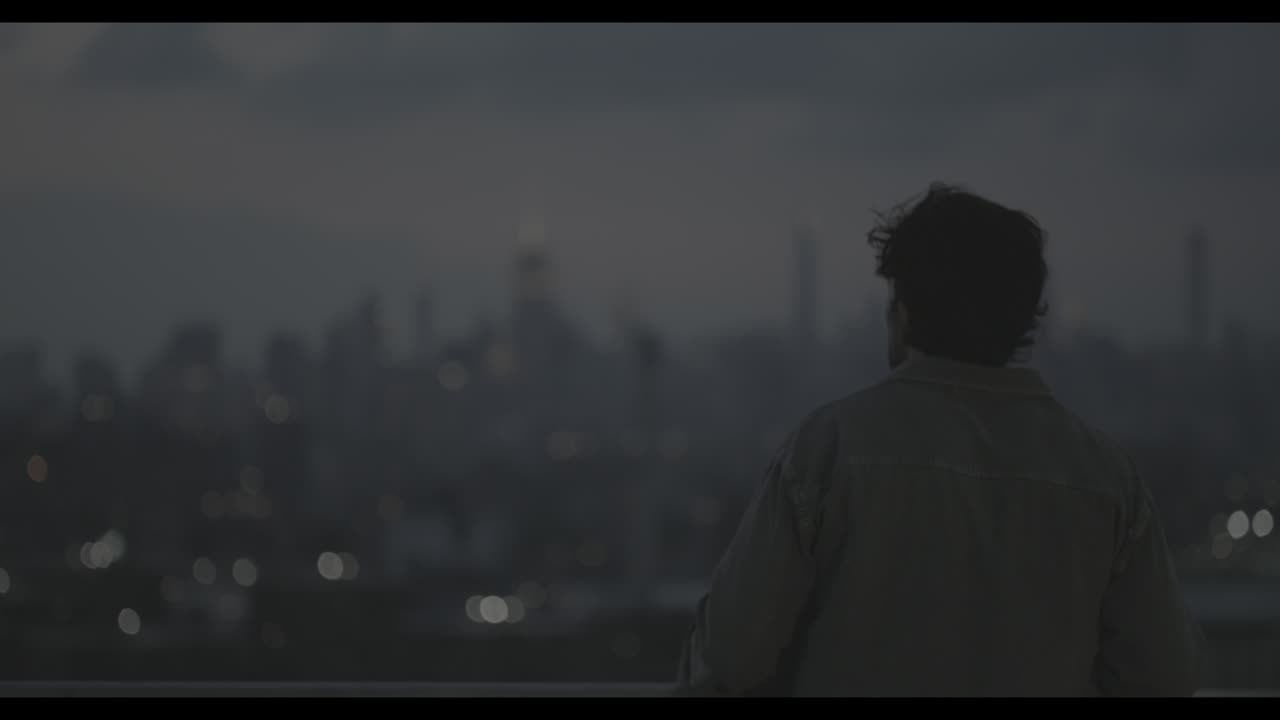
Everyone is looking for a job. Almost nobody is looking for their life's work. This is the film that says so, cut from your New York, eighty years of the city, and the world now. Out this month, and built so the next ten stories come from the same root.
Your rough cut, cut with New York 1943 to 1979. The world now comes from our libraries.
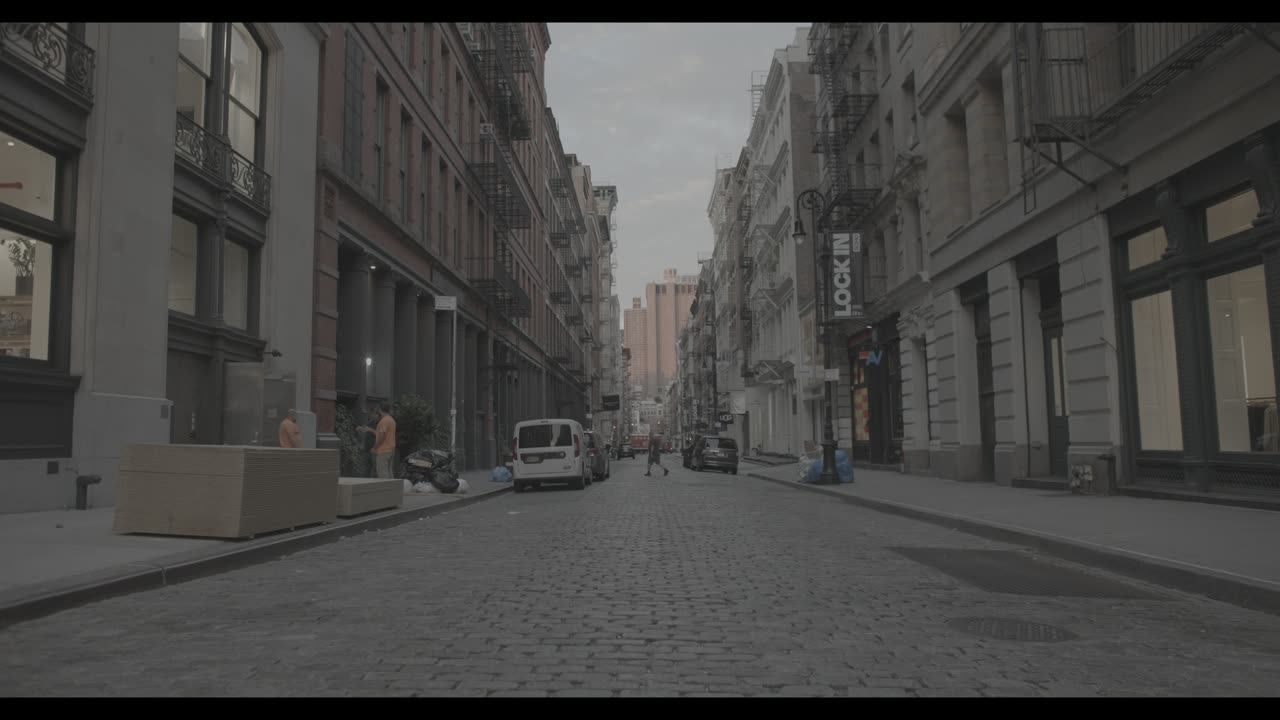
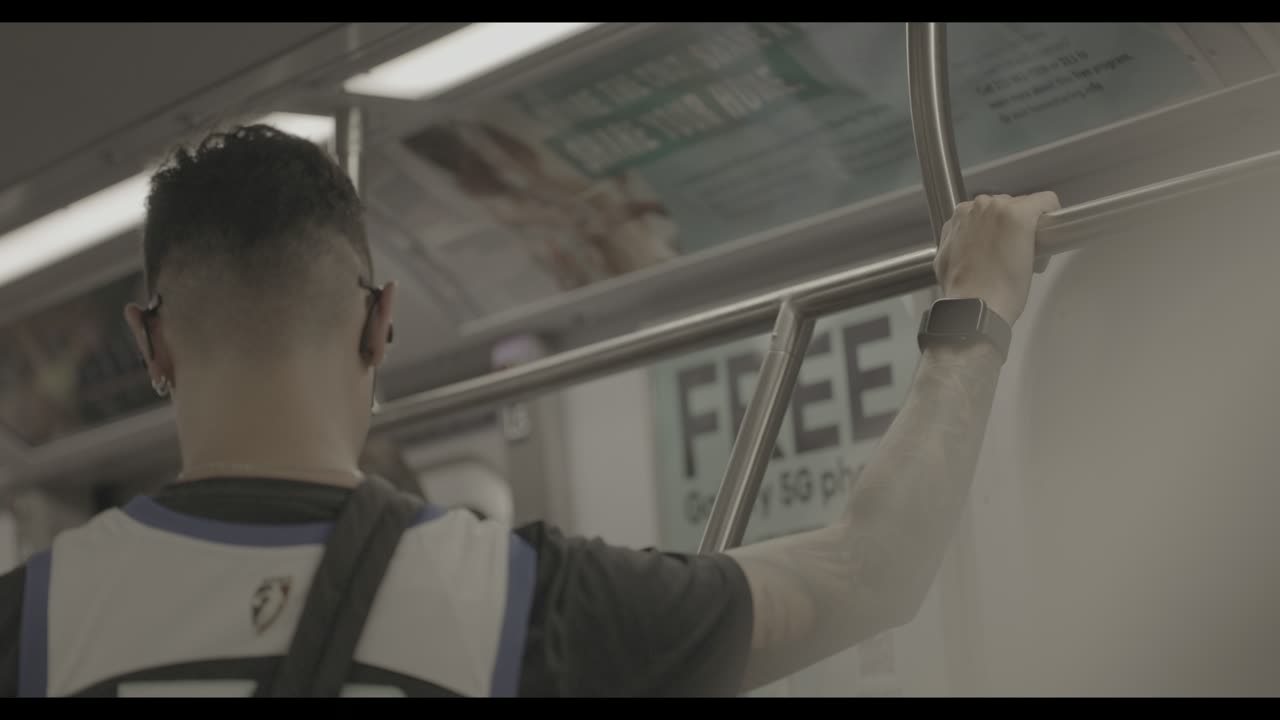
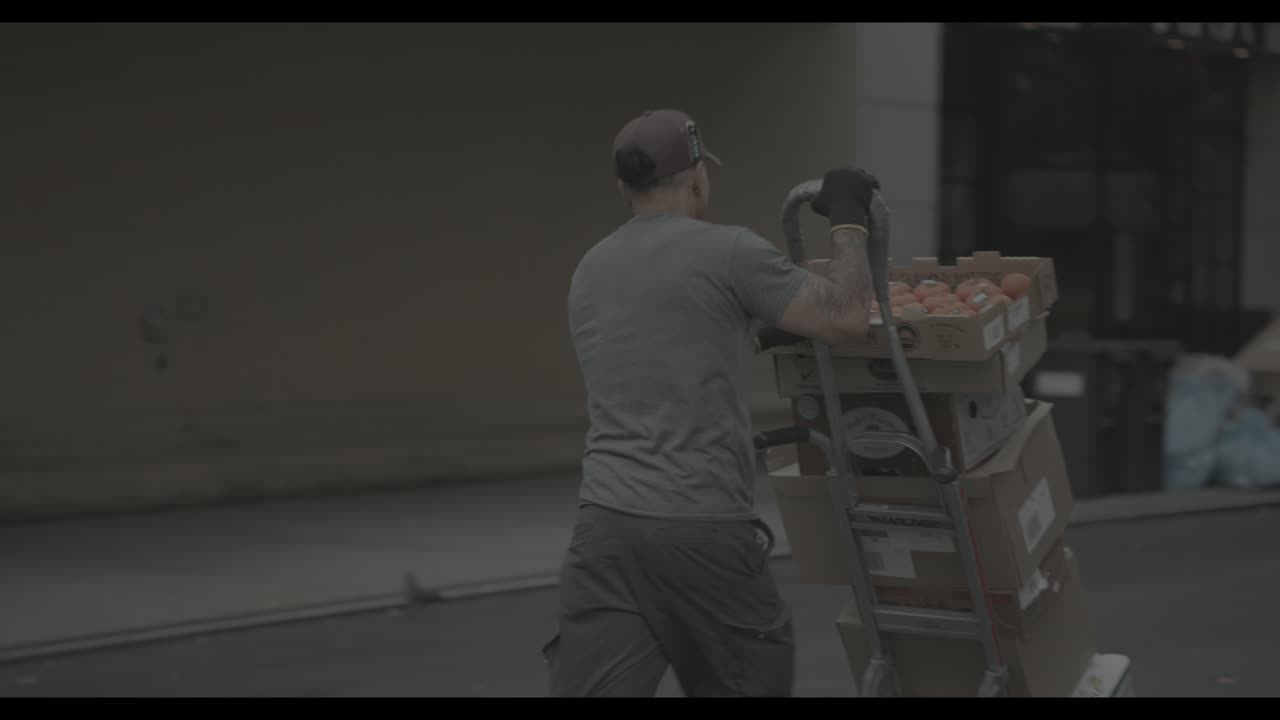
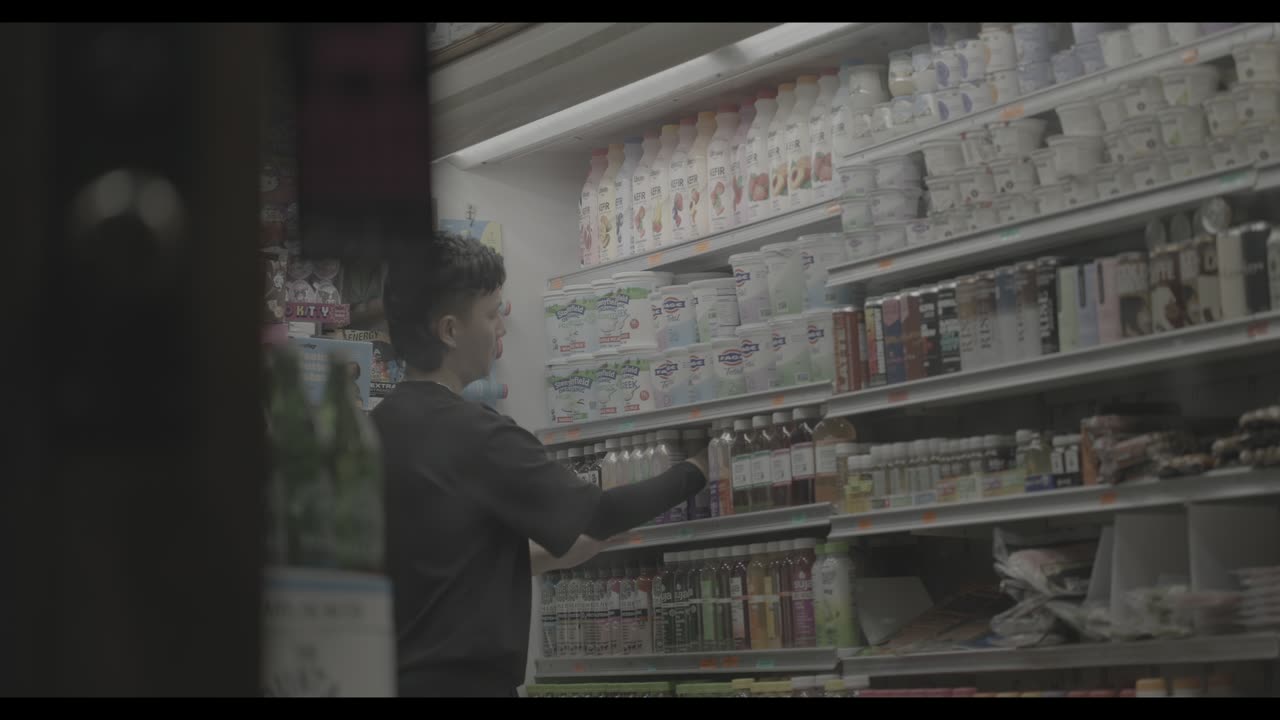
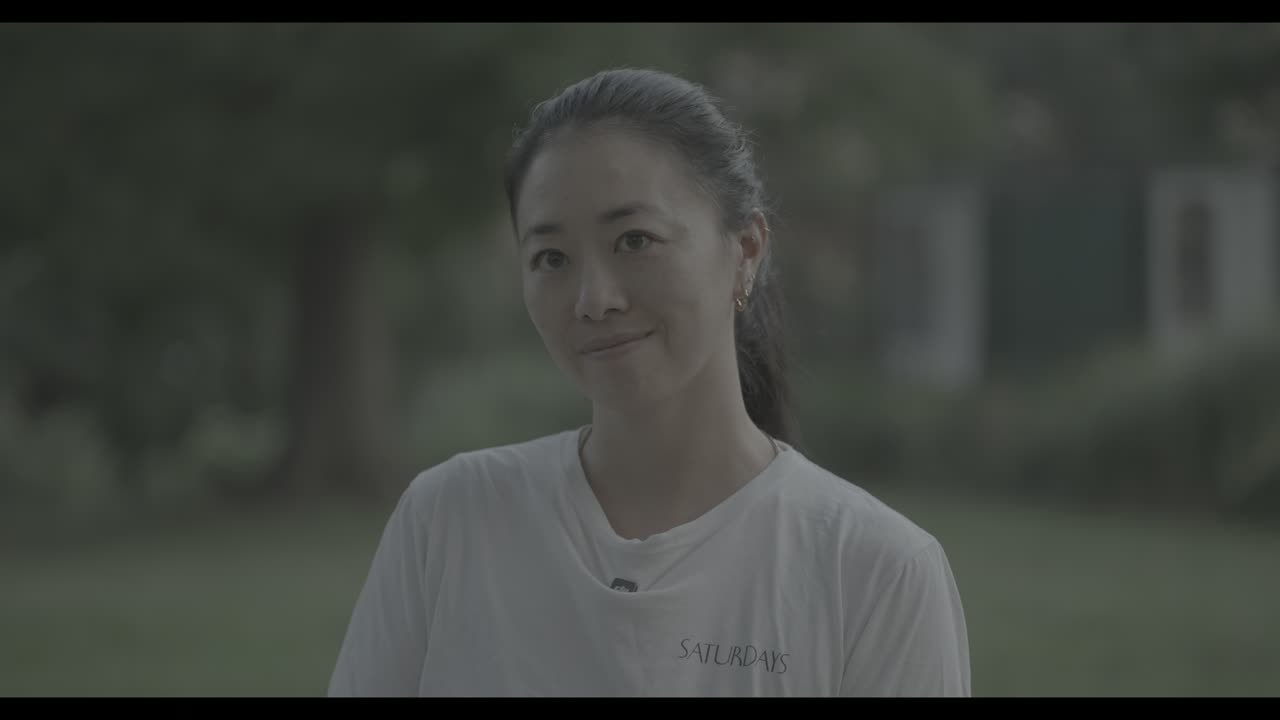
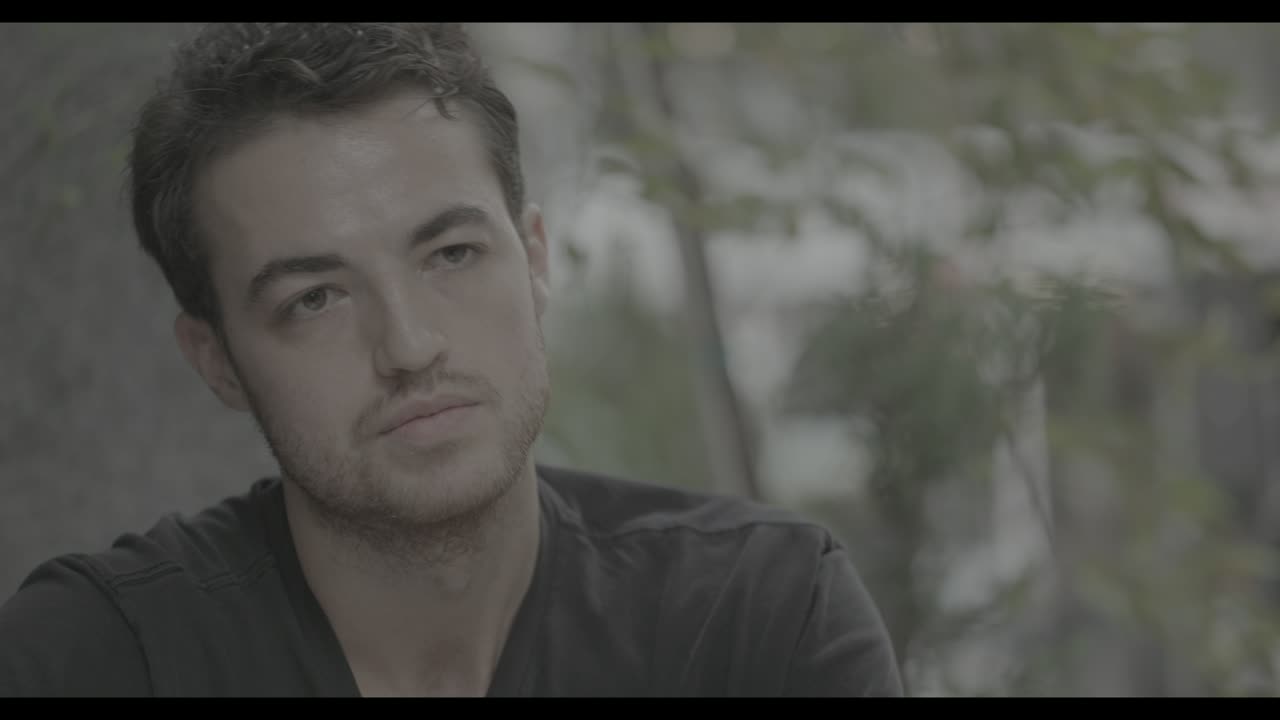
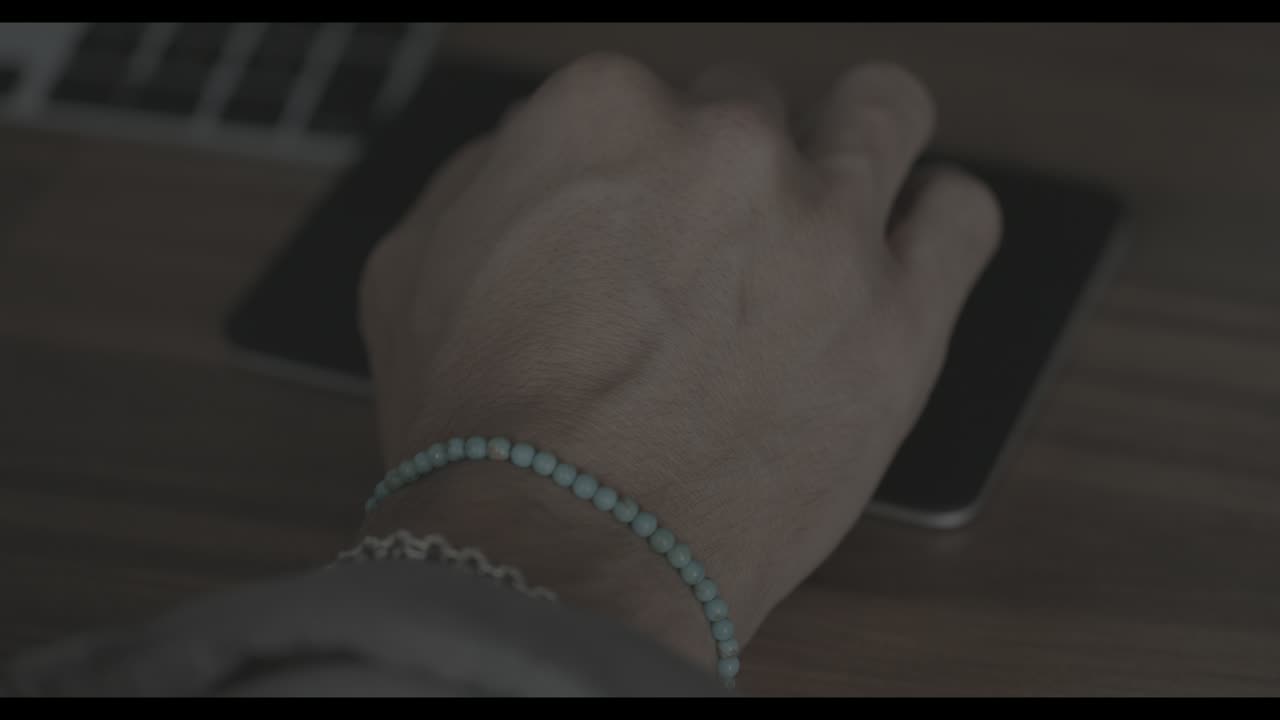
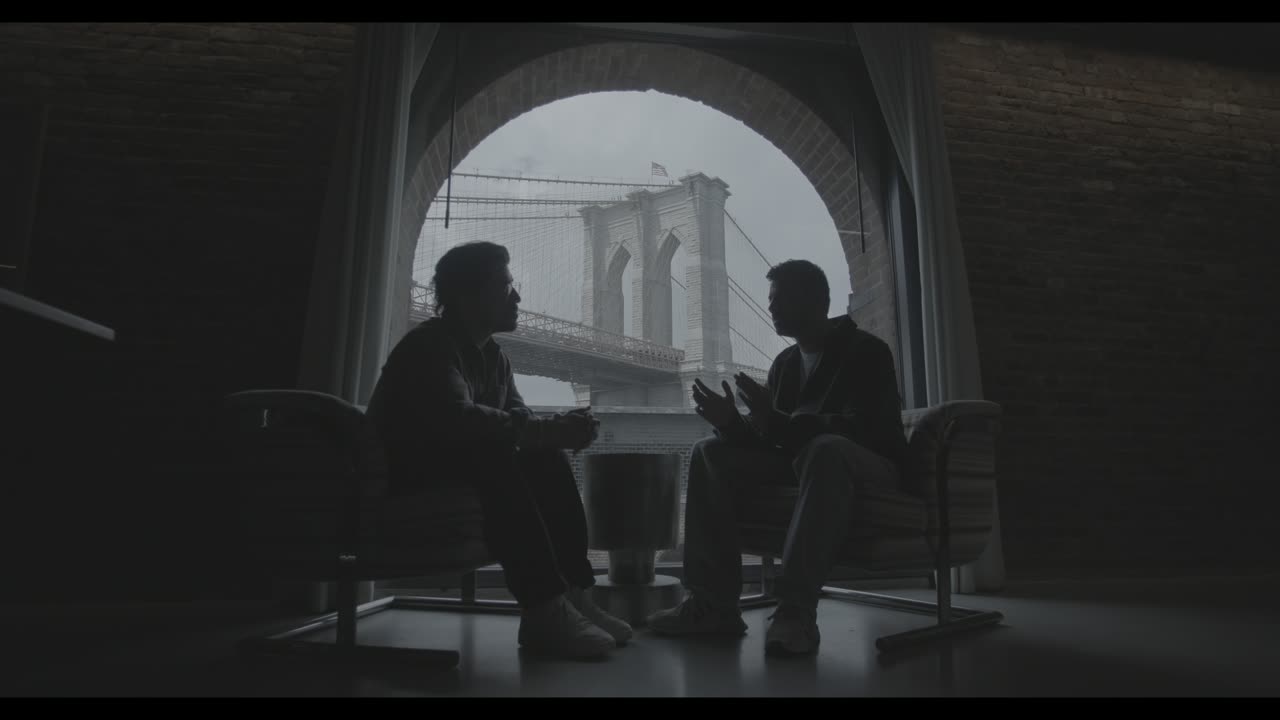
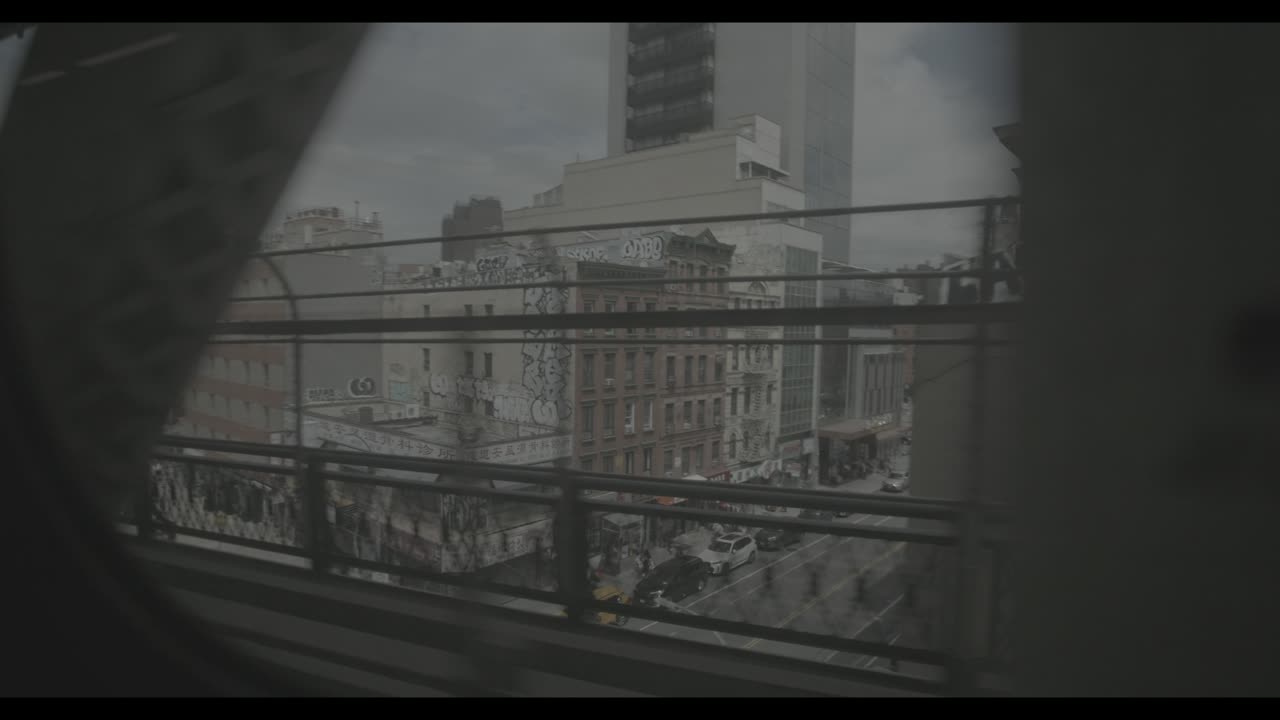
The footage isn't the problem. Empty Soho at dawn, the fruit cart, the bar being set up, four strangers in the park looking straight down the lens. The hand holding the phone. It's all there.
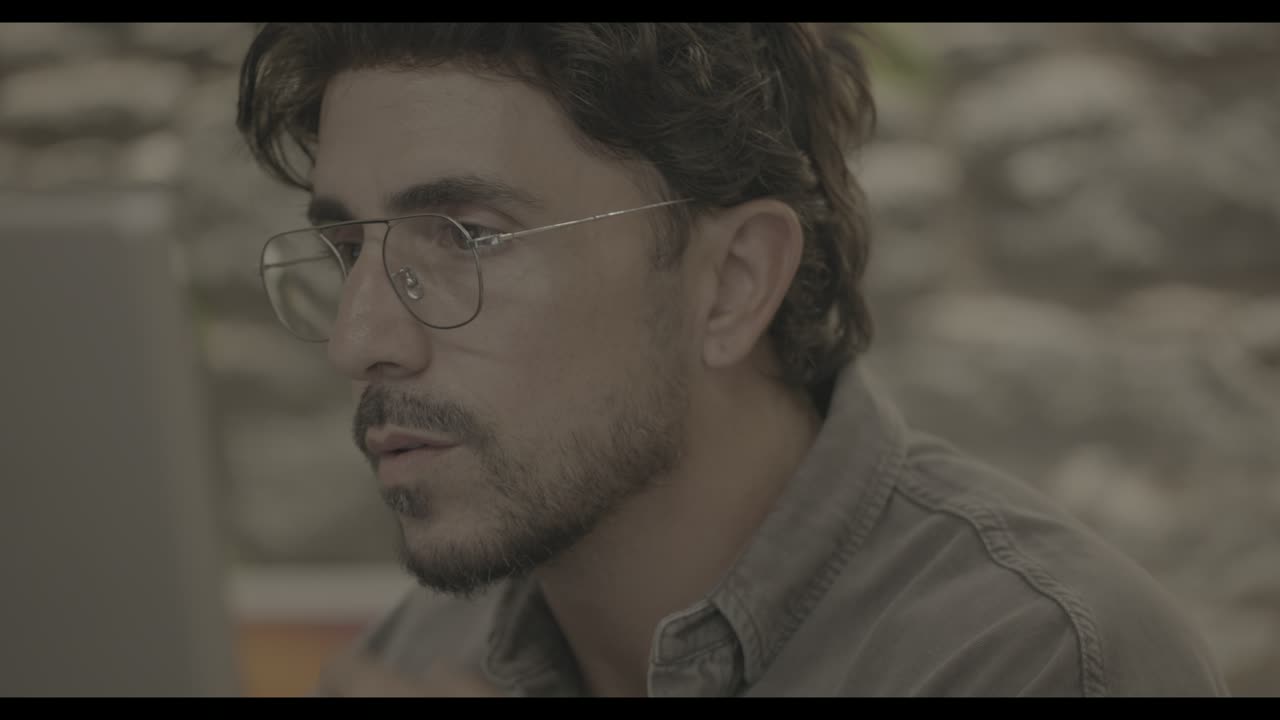
What's missing is the story, and the company. The rough is a memoir: bands, a clothing line, a wine bar, twenty years. Honest, and the wrong hero. And it's one man in one city. The film should be about the person watching it, and everyone who ever did the thing.
"I toured in bands, ran a clothing line, opened a wine bar, barely making it most of the time."
Three minutes. The founder is the subject. The music drops out three times and the cut waits for the voice.
"Vocation. It's from a Latin word. Vocare. To call."
Ninety seconds. The viewer is the subject. Your New York cut with the city in 1950 and the world now. The founder is one face among the ones who answered.
A calling was always, literally, a call.
The world buzzes. Every rejection, every recruiter bot, every "we've decided to move forward." The thing you're for rings. The film is the difference between the two sounds.
"Your calling is calling" is what the film says. "Pick up" is what it asks. Two words, an action, and it's the opposite of "apply." Applying is throwing yourself at the volume game. Picking up is turning toward the thing that was already calling. Your manifesto says it: work reduced to a volume game and hacks to get seen. This is the other side.
Two hundred applications. Two hundred nothings. The phone face down on every table. In the film, the buzz is cut to the beat, so it's a rhythm before it's a feeling.
One sound you haven't heard yet, in the quietest bar of the track. A person looks at their phone and turns it over. That's the whole campaign in one second.
The cook, the nurse, the kid on the stoop, the four faces in the park. You, uncredited, carrying a camera. The film honors them. Parallel signs it.
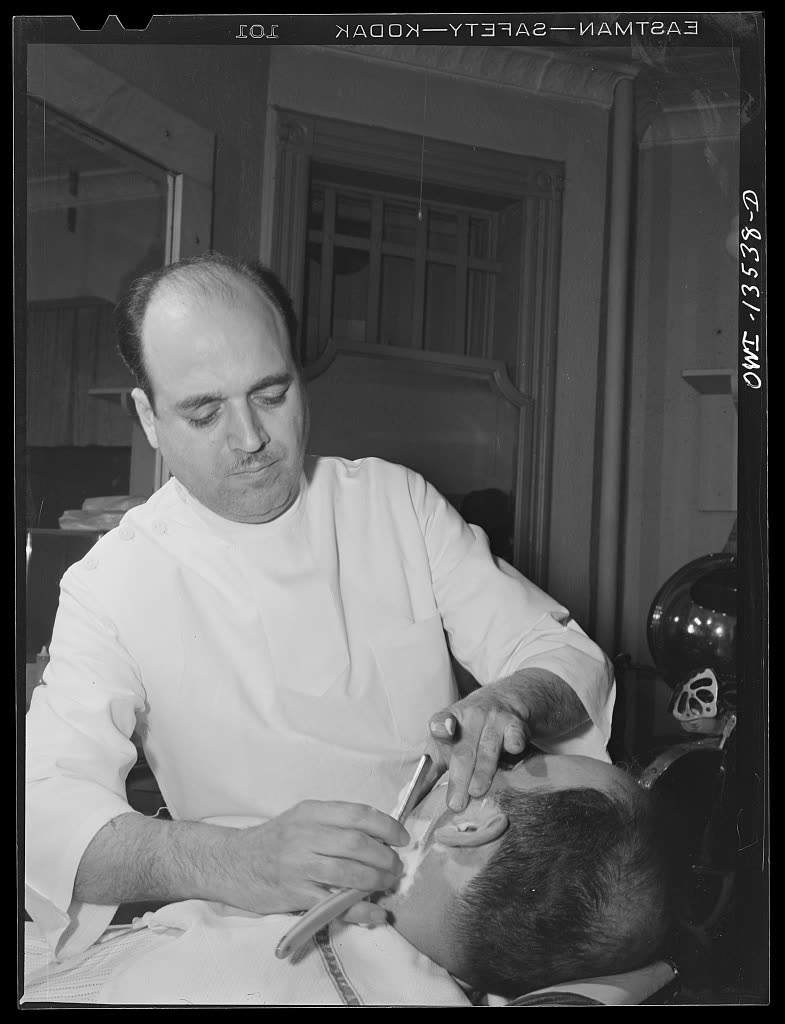
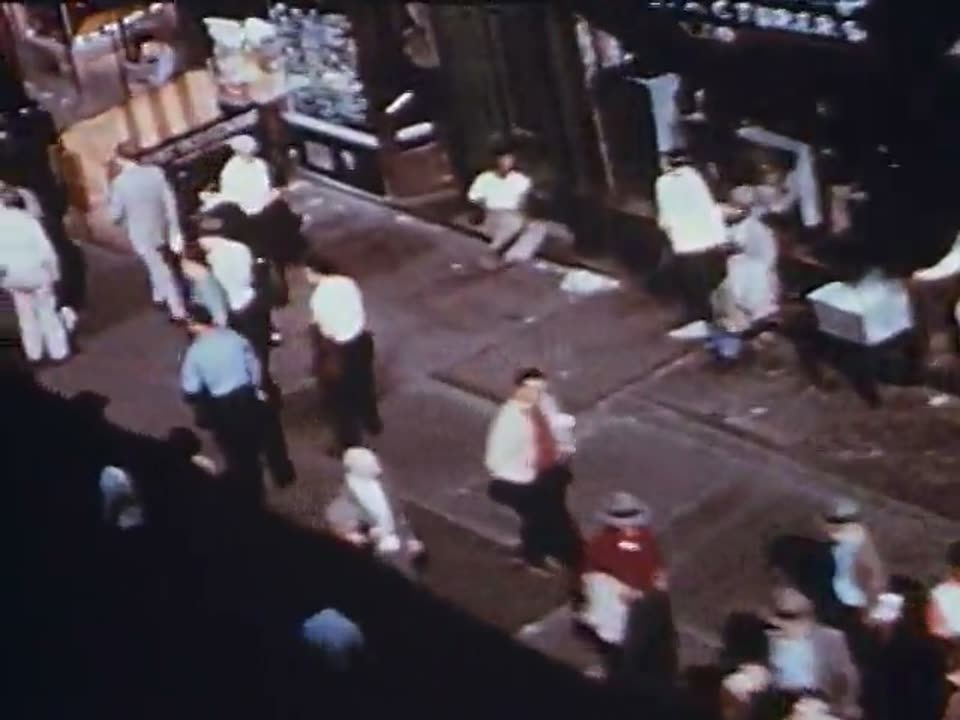
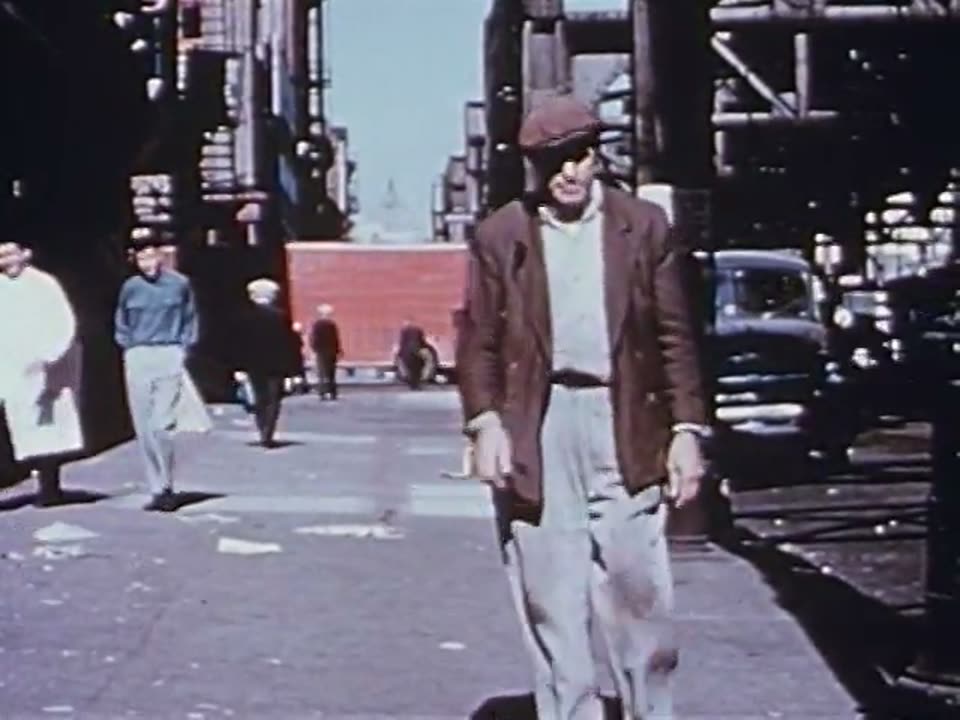
Pinterest built its film from home movies. Nike builds them from bodies in motion. This one is built from three sources, cut against each other so a barber in 1943 answers a bartender in 2026. People loving what they do, in every decade the city has been filmed.
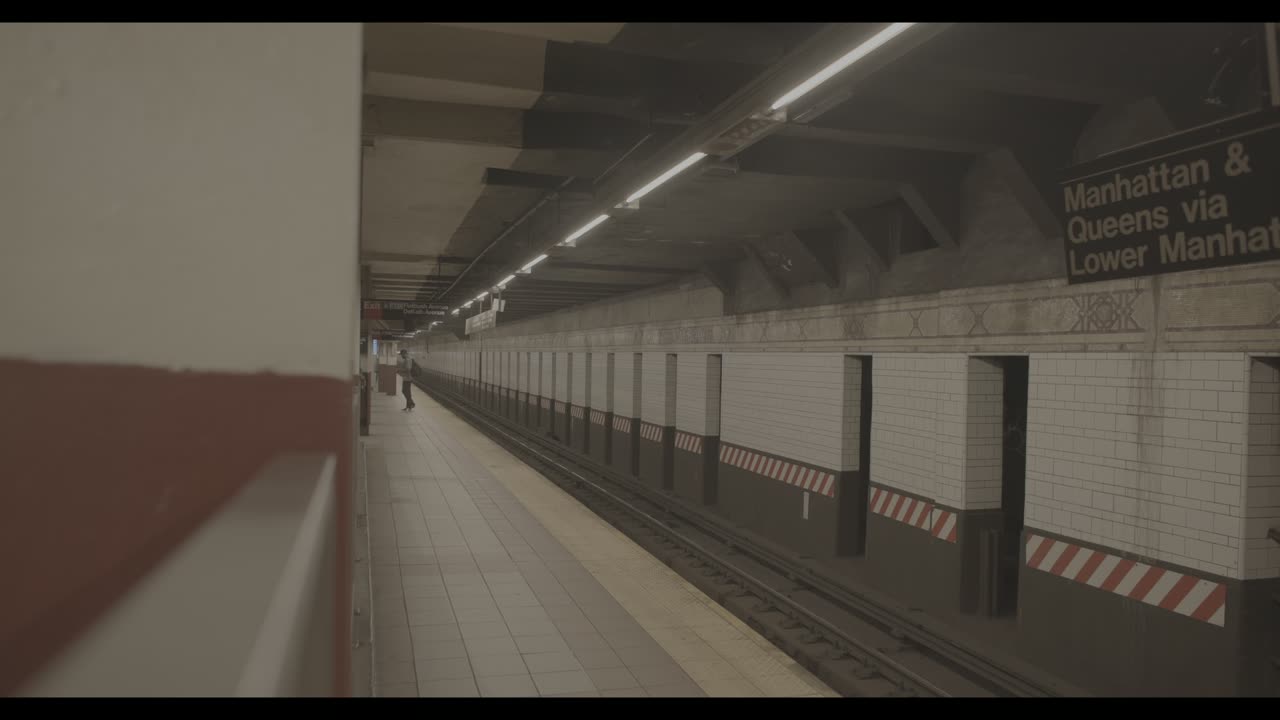
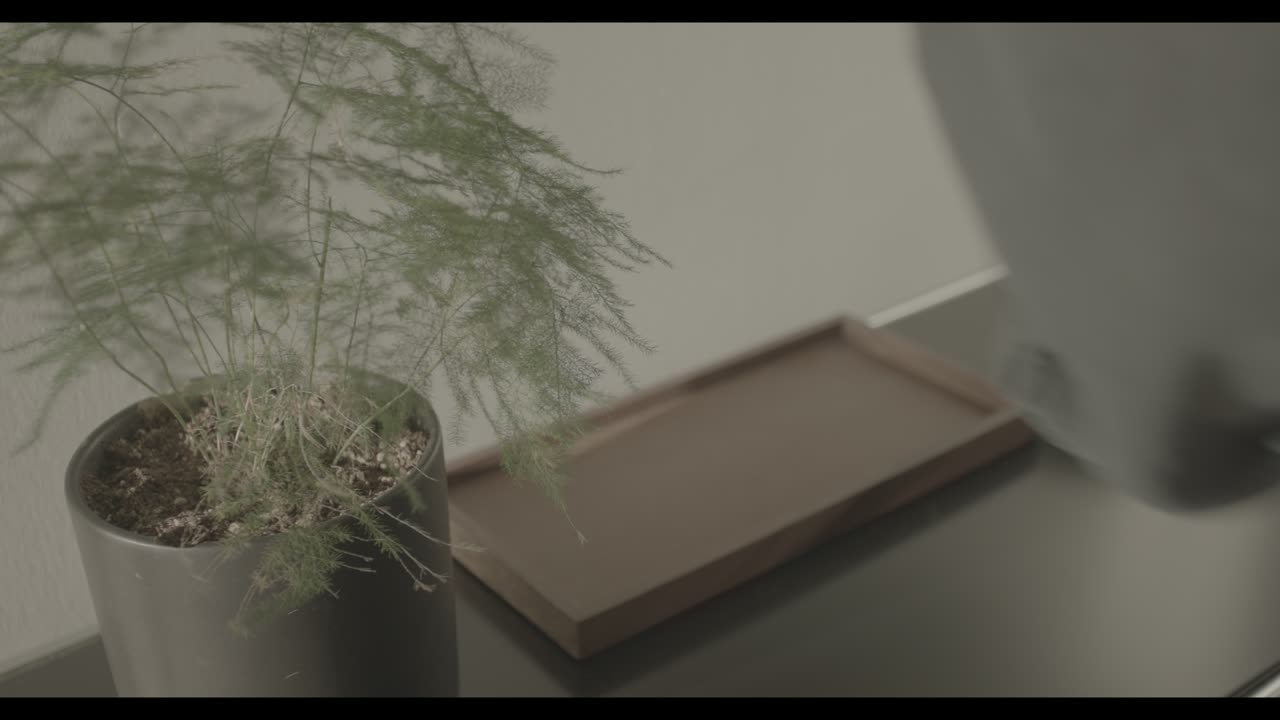
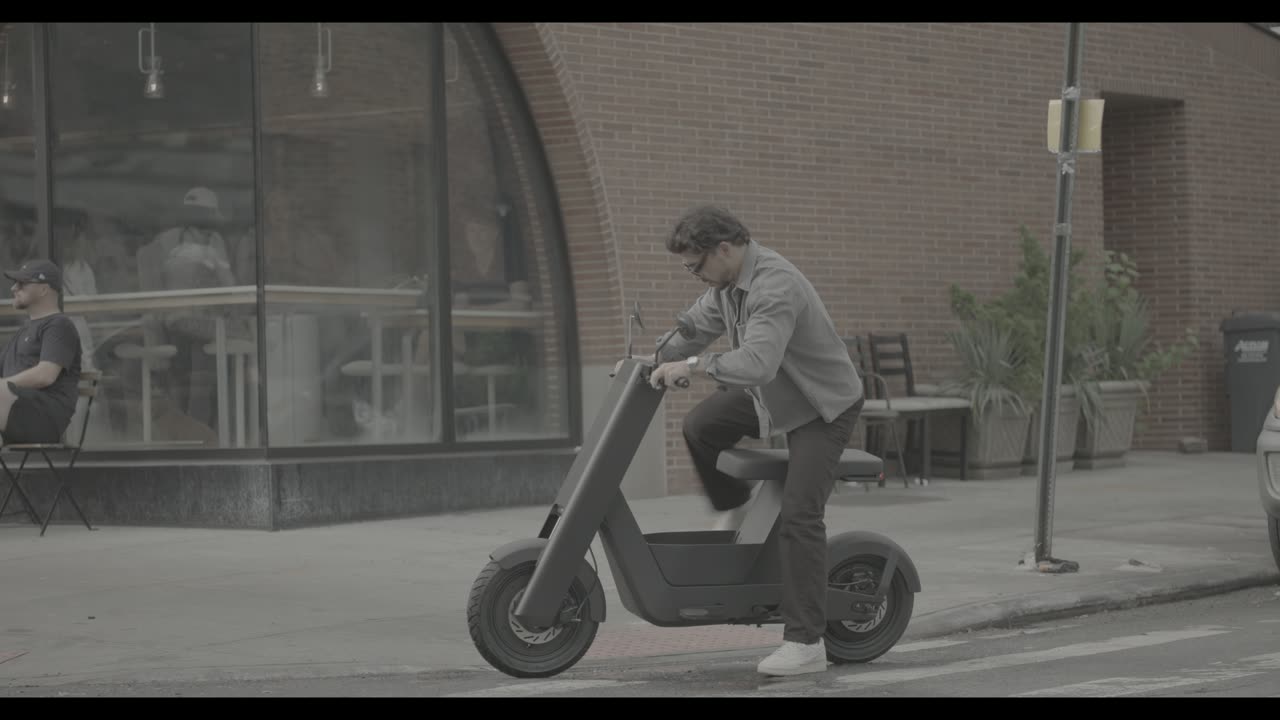
Your rough cut. The city at dawn, the fruit cart, the bar, four faces in the park, the hand on the phone. Every third shot in the film.


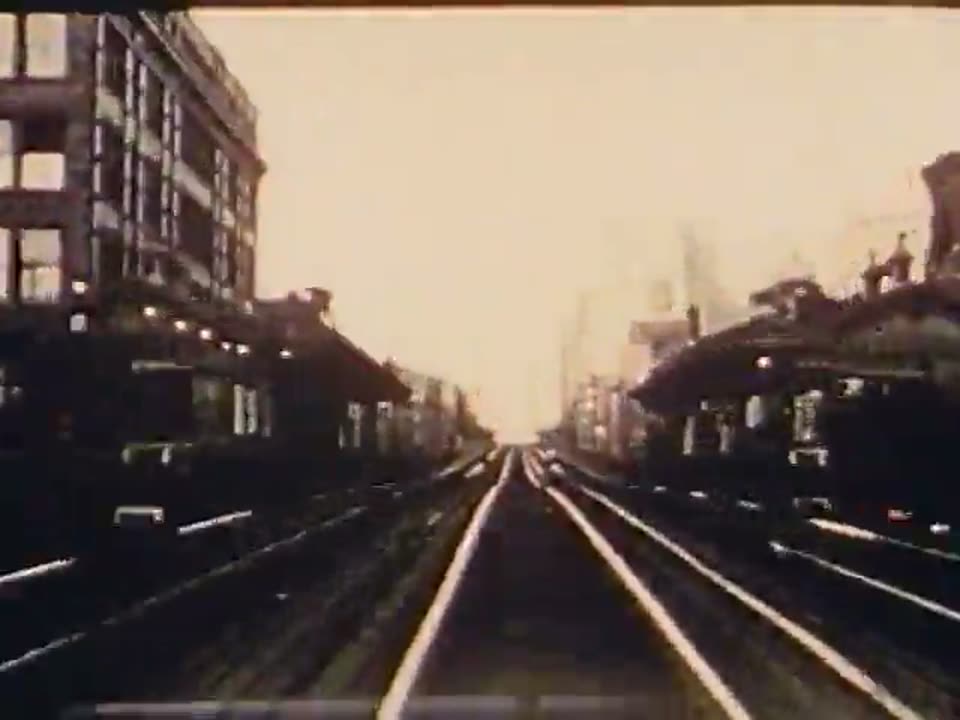
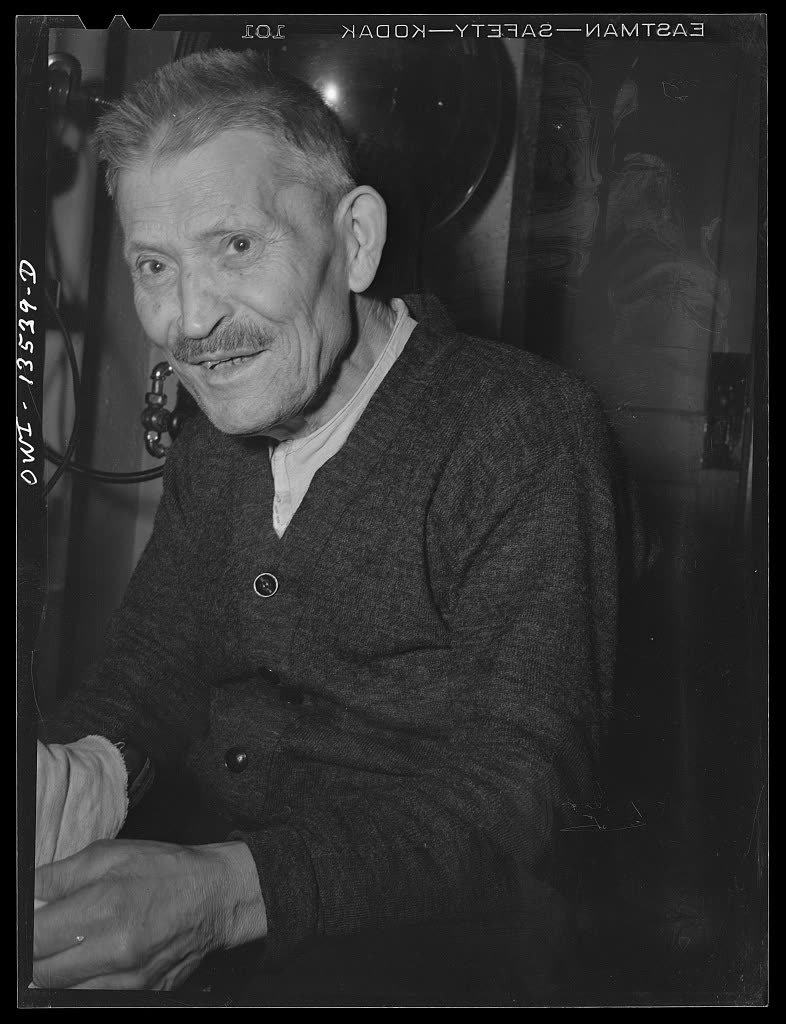
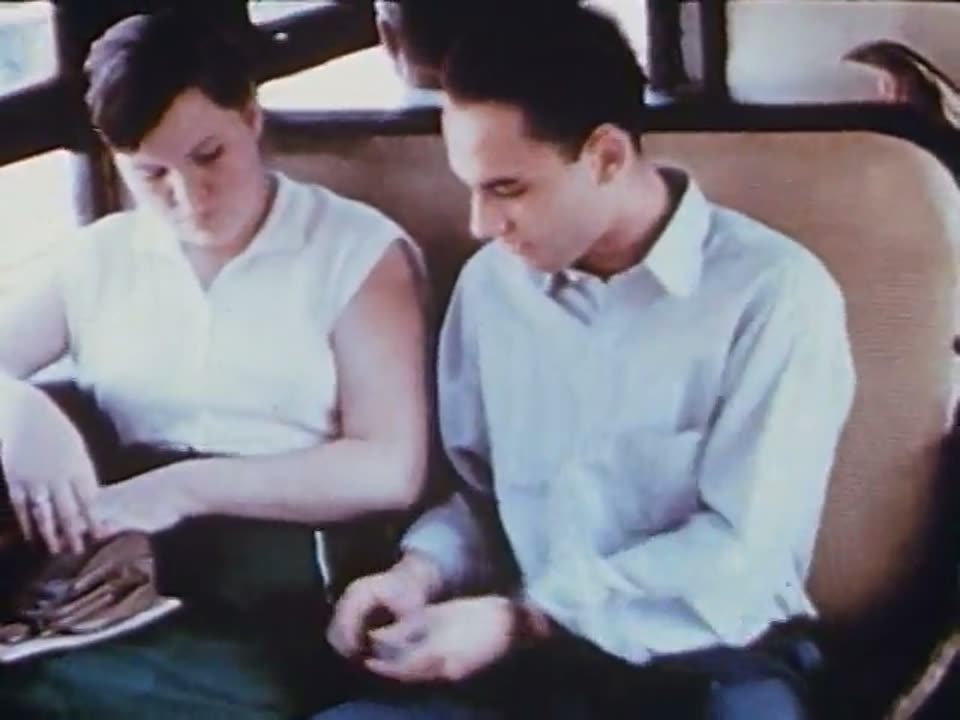
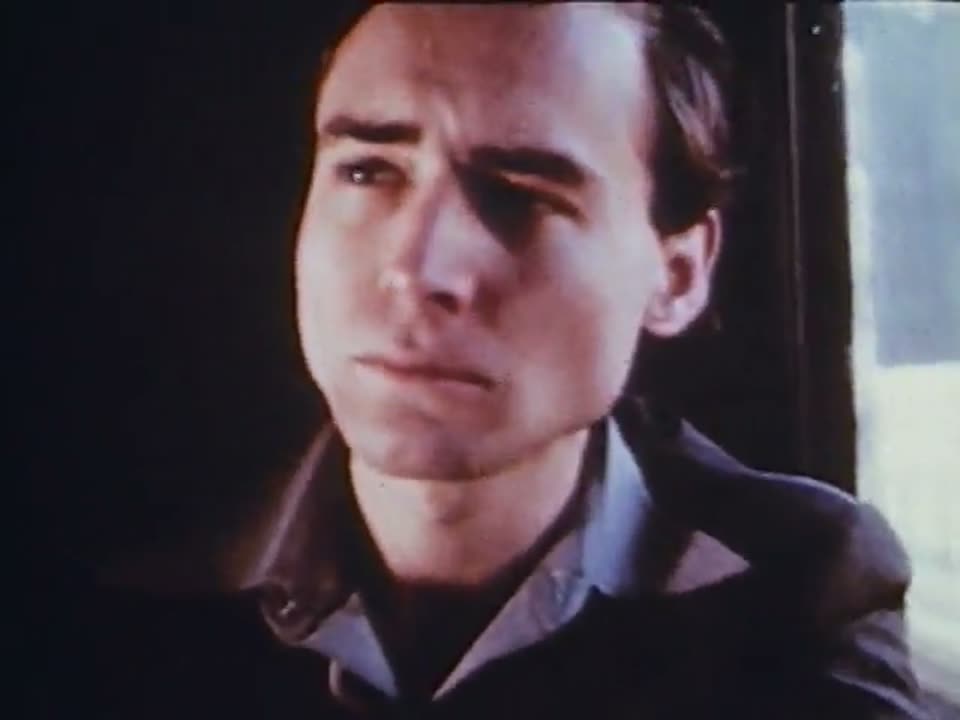
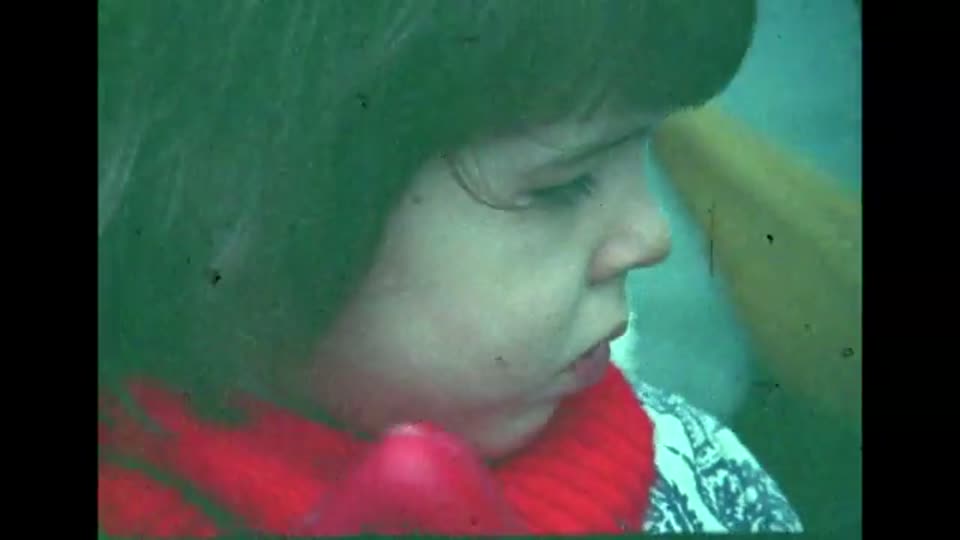
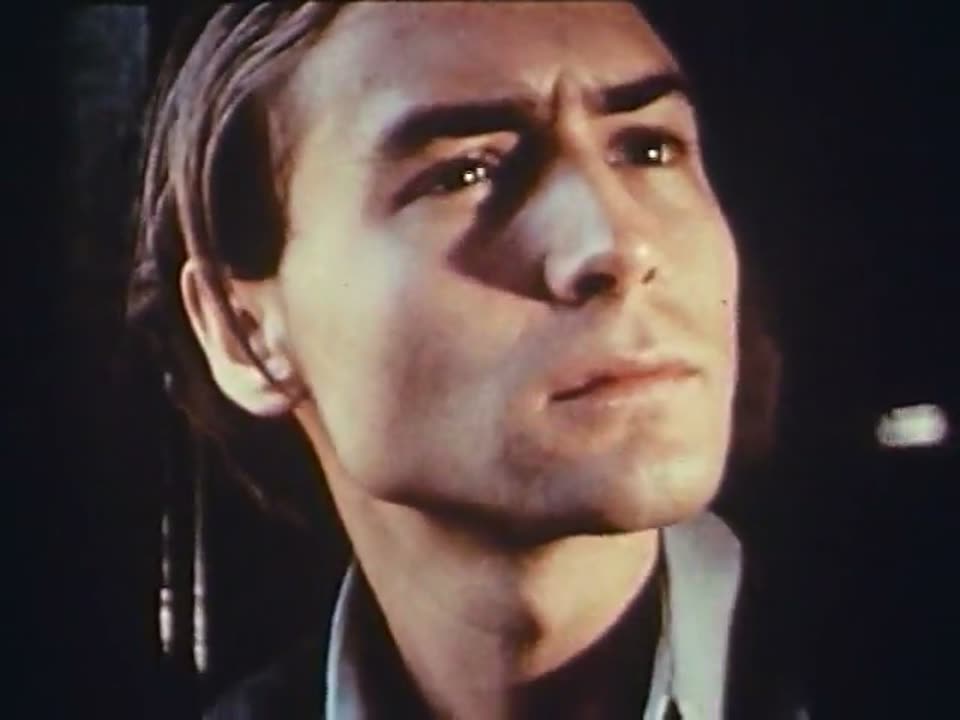
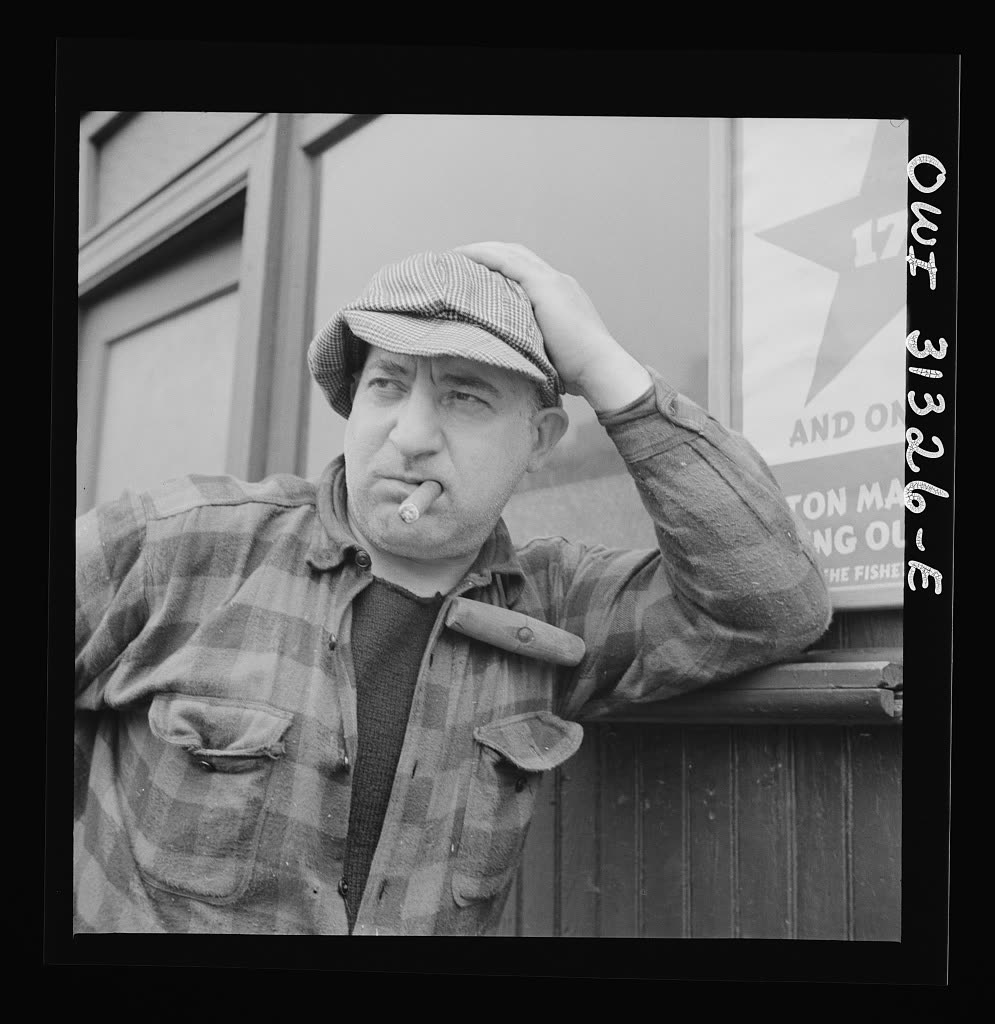
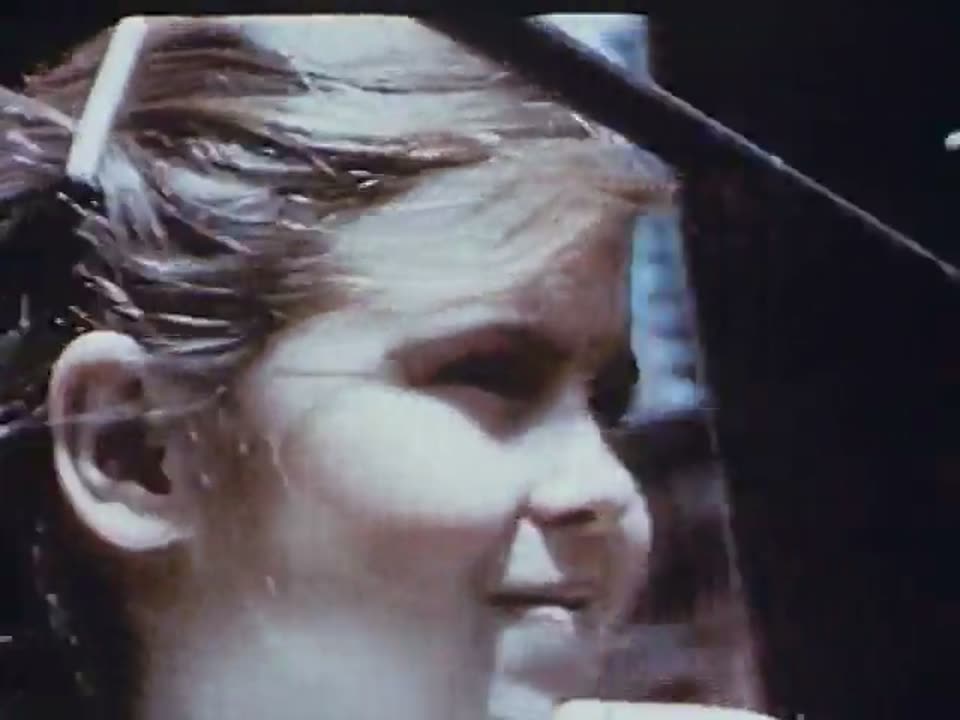
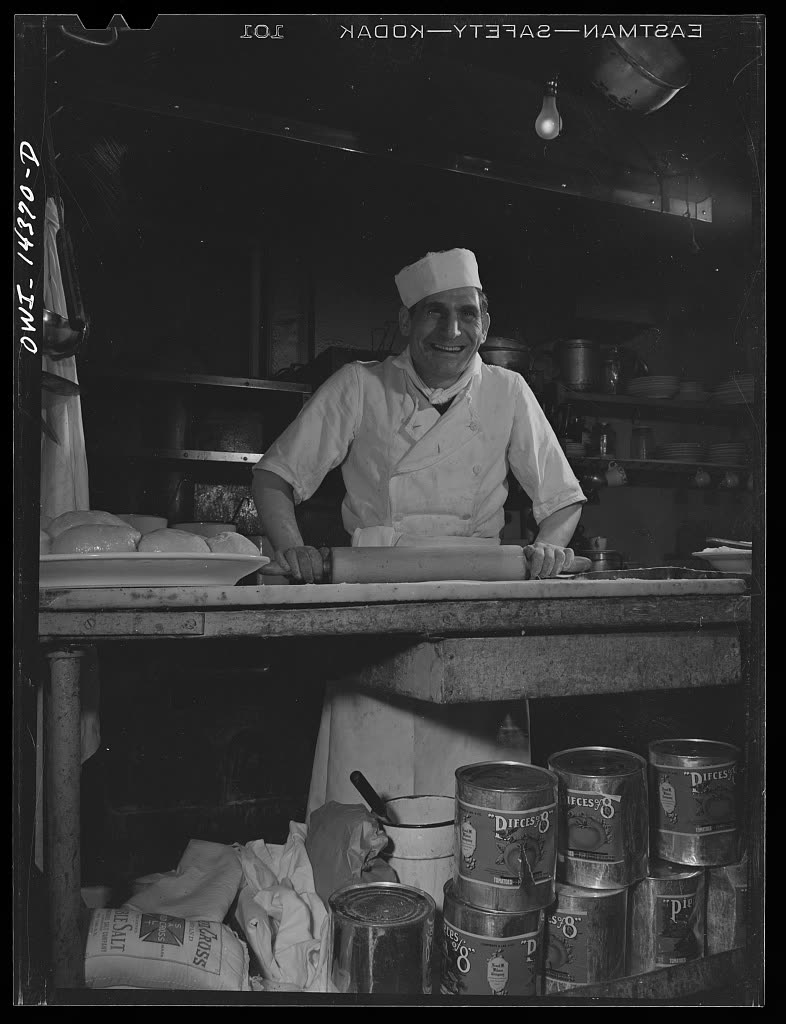
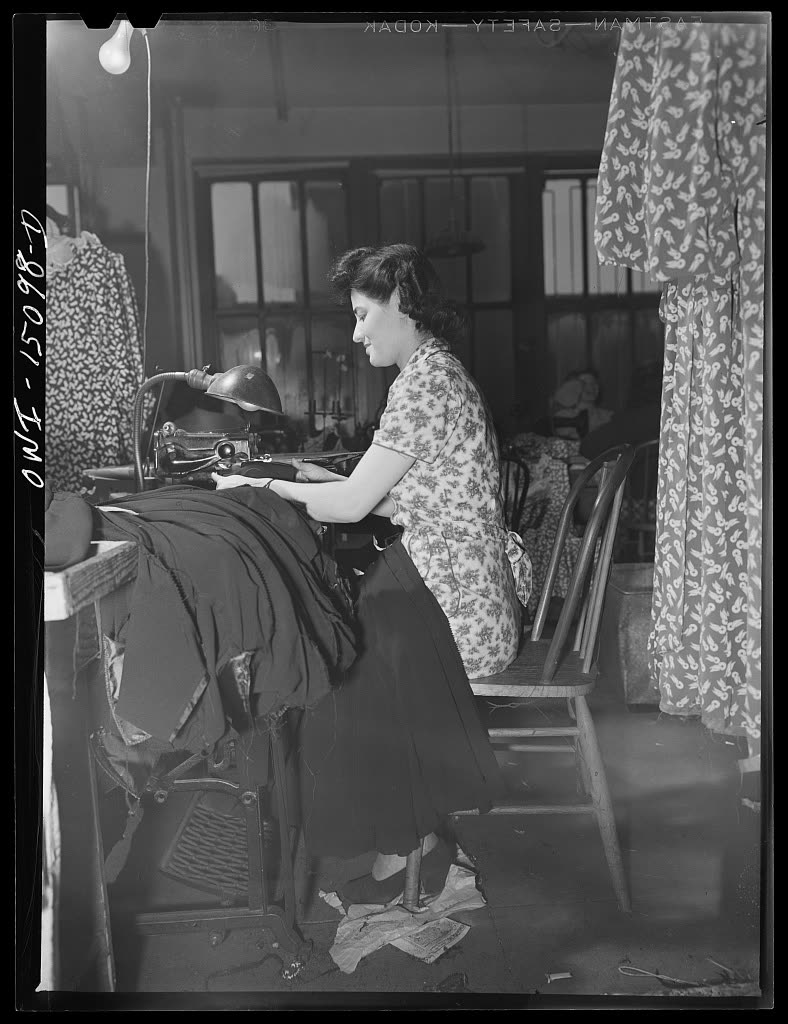
Kodachrome from the Third Avenue El in 1950. Coney Island in 1940. Central Park home movies from the seventies. Marjory Collins' 1943 portraits of a shoeshiner, a barber, a cook, a fish-market hooker. All Library of Congress and Prelinger Archives. All free to use.


Cinematic clips of people at the thing they're for. Shallow focus, real light, no posed smiles. About twenty, chosen with you, licensed for the film.
Ninety seconds. Read flat, to one person, not a room. Five of these lines are yours from the rough. The silences are written in on purpose. The :45 keeps the quiet and the roll call. The :15 is the ring, the line, and the card.
Vocation. It's from a Latin word.
Vocare. To call.
Somewhere along the way, we stopped listening.
We started applying.
Two hundred times.
To rooms that never answered.
Work was never the problem.
Choosing it blindly was.
Most of us never got the luxury of looking.
Everything drops out. The phone, face up. The ring.
Your calling is calling.
Hold. Near silence.
It always has been.
Somewhere in there, it never stopped.
Most people's best work is still in them.
Just with nowhere to put it.
Here's to the ones who picked up.
No voice. The city, every decade at once, on the downbeat.
Pick up.
Took me twenty years to find my life's work.
I hope it helps you find yours.
Find your life's work. Parallel.
The reference track has a crowd, a doubt, one quiet decision, and everyone moving at once. The script only has to not fight it. The film is ninety seconds, so we cut the music to the story, not the story to the music: the quiet stays whole, the buzz and the build get trimmed. Waveforms below are each full track, with the sections we keep marked.
Reference for shape and tempo. The quiet sits in the middle, the peak at the end. The final license is chosen with you; this sound, or the nearest we can clear.
Same script, different shape. This one peaks early and ends in the quiet, so the film inverts: the city runs first, and it closes on the phone turning over. Licensable today on the Epidemic plan.
Air. Black, then the El tracks gold. "Vocation. Vocare. To call."
The buzz, faster than before. Two hundred applications cut on the pulse.
The ones who picked up. Eighty years of faces on the peak. "Pick up." lands on the loudest second of the track, 1:12 in the film.
The quiet, last. The phone, face up. "Your calling is calling." Then the end card in near silence.


You said you'd re-record. Re-record these. The rest of the memoir moves to LinkedIn, one call at a time, where it belongs.
The repositioning is already public. "Parallel is a human potential company" is on your homepage today, and nothing in the world proves it yet. The film is the first artifact. Every week it doesn't exist, the sentence sits there unearned.
The narrative is up for grabs. Your manifesto says millions will have to reinvent themselves this decade. Every job platform is selling volume and AI screeners. None of them has said the human thing, in a voice with taste. Whoever says it first owns it.
Your site made the rounds once. Designers shared it, attention arrived, and there was nothing for it to catch on. This time there's a line, a film, and a foundation underneath. The next wave has somewhere to land.
The footage is aging. Summer light, a city that looks like this year. Cut it now or shoot it again.
Where the math works. One lane covers the film. The rest is upside.
Flat. The words, the direction, the archive, the licensed world, the cut, the versions, and the foundation page. No shoot, because you already shot the New York part. If it lands, the next stories start from the root, month to month.
Half at kickoff, half at final. First cut seven days after the VO lands. Two rounds of notes.
If the first cut isn't it, say so. You pay the first half, keep the script, the archive pull, and the foundation page, and we stop there.
You own the film and every source file. Crew: Rob Sicat, words and direction, and one editor.
Week 1 · Sep 14
We lock the idea and the five lines. Raw footage lands in the Dropbox folder.
The VO on one page and the archive pull on one board. You approve both before anything is cut.
Your read, directed. A cast read alongside it if you want the comparison.
Week 2 · Sep 21
Built to the track. Buzz, quiet, ring, build, peak. Archive and world pulled the week before, so the edit starts with every source on the drive.
The :90. Notes in one doc, round one.
We address every note. Round two is polish.
Week 3 · Sep 28
Mix, grade, the :45 and the :15. Delivered in every crop.
Homepage hero. We watch visit-to-signup before and after.
LinkedIn first, your post, drafted by us. Then X and Instagram over the week. On Oct 30 we read one number together: homepage visit to signup, before and after.
Four things. Three of them you already have.
Everything below is decided while we make the film and delivered with it, on one page, yours. The next story starts from here instead of from zero. That's the difference between a video and a foundation.
What Parallel says. "Pick up." is what it asks. Every story after this one either says the line or earns it.
Two sounds nobody in hiring owns. The buzz is the world. The ring is the thing you're for. It goes in the film first, then in the product.
Your New York, New York then, the world now. A rule, and a cleared archive you keep pulling from for years.
Read flat, to one person. Silences written in. Two cards. Every story after this is cut the same way, so they read as one voice.
Never the founder, never the product. Always a person at the thing they're for. This is the rule that keeps it from becoming an ad.
From your rough, into the film, and into everything after. The manifesto was already written. We just found it.
What grows from it, none of it owed now
The match notification is the sound from the film. "Your calling is calling" is the copy. Every match reinforces the story, every story reinforces the product.
One reinventor per piece, 60 to 90 seconds, same format, same mix. The call they almost didn't answer. You're an episode, not the film.
Your LinkedIn, weekly, one heading. The memoir from the rough cut, told one call at a time, in the voice the film set.
The hype moment you wanted to save. It lands harder because the simple story went first and the line already means something.
One line, one asset, when the talent side has proven the voice. Post a job, meet the people who picked up.
Every pull is cleared, logged, and kept. Story ten costs less than story one because the root is already there.
Twenty minutes locks the idea. The raw in the folder starts the clock. Eighty years of the city are already pulled. The film is out before the month is, and the next story starts from the root.